
ORIGIN: https://www.yourweather.co.uk/news/
Tropical cyclones have different names depending on the ocean basin where they form. They differ substantially from extratropical cyclones (storms): we explain them here.
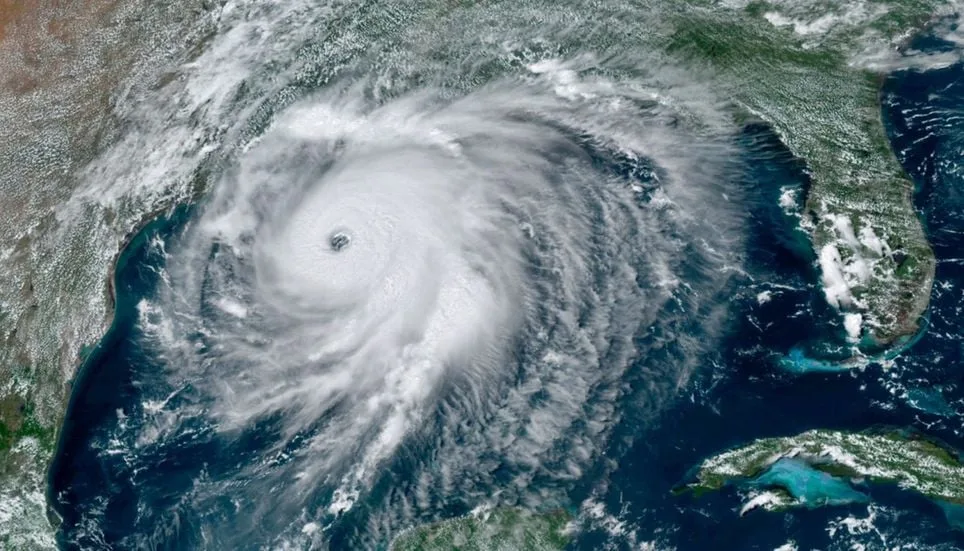 Satellite image of Hurricane Laura in the Gulf of Mexico, before making landfall – as a Category 4 hurricane – on the Louisiana coast (USA), on August 27, 2020. © CSU/CIRA and NOAA/NESDIS
Cyclones and anticyclones form naturally in Earth’s atmosphere . The type of weather associated with a cyclone (“bad weather”) is radically different from that associated with an anticyclone (clear or partly cloudy skies and calm winds). Low-pressure systems and hurricanes are specific types of cyclones. Each forms in different regions of the Earth. A low-pressure system is an extratropical cyclone, while a hurricane is a tropical cyclone.
Tropical cyclones are morphologically distinct from subtropical cyclones. Their core is warm, unlike that of low-pressure systems, which is composed of cold air of polar origin. Furthermore, in the central part of a hurricane, descending air currents dissipate cloud cover in that area, forming the characteristic “eye” visible from satellite imagery. Around this eye
 English