
ORIGIN: https://www.yourweather.co.uk/news/
In South America, the most vulnerable region, insect-pollinated crops are essential for the regional food supply and international trade across the continent.
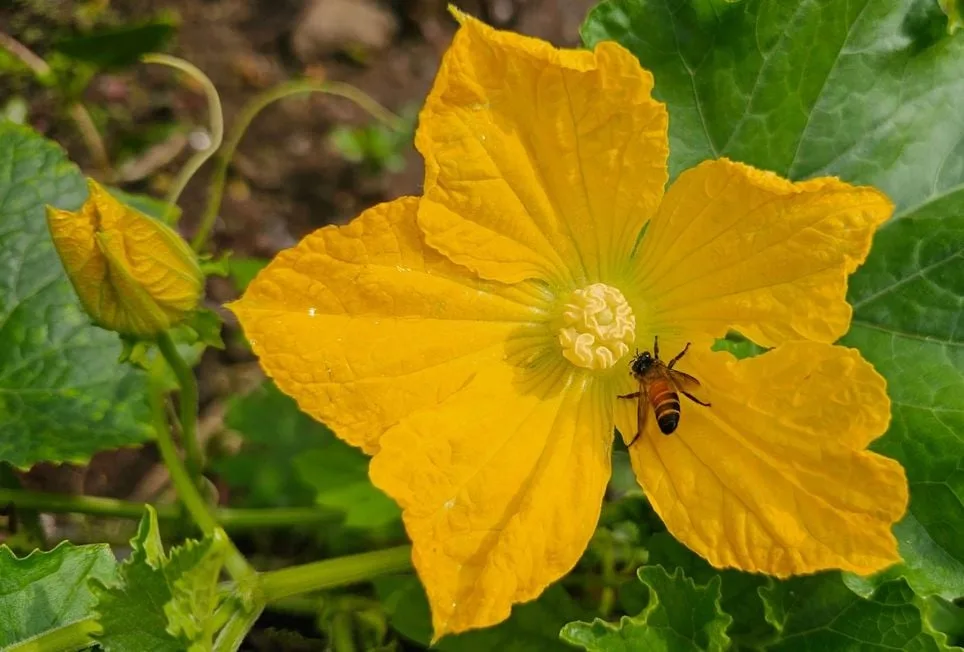 Pollinators contribute to the nutrition and income of vulnerable communities.
You have probably already heard that if bees cease to exist, humanity will too. But you may wonder why. Civil organizations that promote the care and importance of bees for life, such as Alianza Maya por las Abejas, estimate that more than 301,000 colonies have been lost in the country over the past decade, with no consolidated official record.
They also reported that, according to their research, they have detected up to nine different agrochemicals in dead bees, many of them neurotoxic. Fipronil and neonicotinoids (imidacloprid, thiamethoxam) stand out as the main culprits.
And to no one’s surprise, these substances are banned in the European Union, but they are widely used in Mexico on soybean, corn and citrus crops. Another factor contributing to the destruction of bees is accelerated deforestation, especially in the Yucatán Peninsula.
Climate change directly disrupts flowering periods and exposes pollinators to extreme droughts and
 English