An Archive of Humanity’s End
This is not a distant future. It is a structured reflection of the signals already in motion.
Recovered from the future: read the archived memory of humanity’s collapse and the world that followed.
50 Years of Observation.
The patterns behind the collapse
2025–2090 Timeline.
Form a plausible future map
9 Interconnected System Failures.
Not one cause — a convergence
1 Question Remains.
What comes after us?
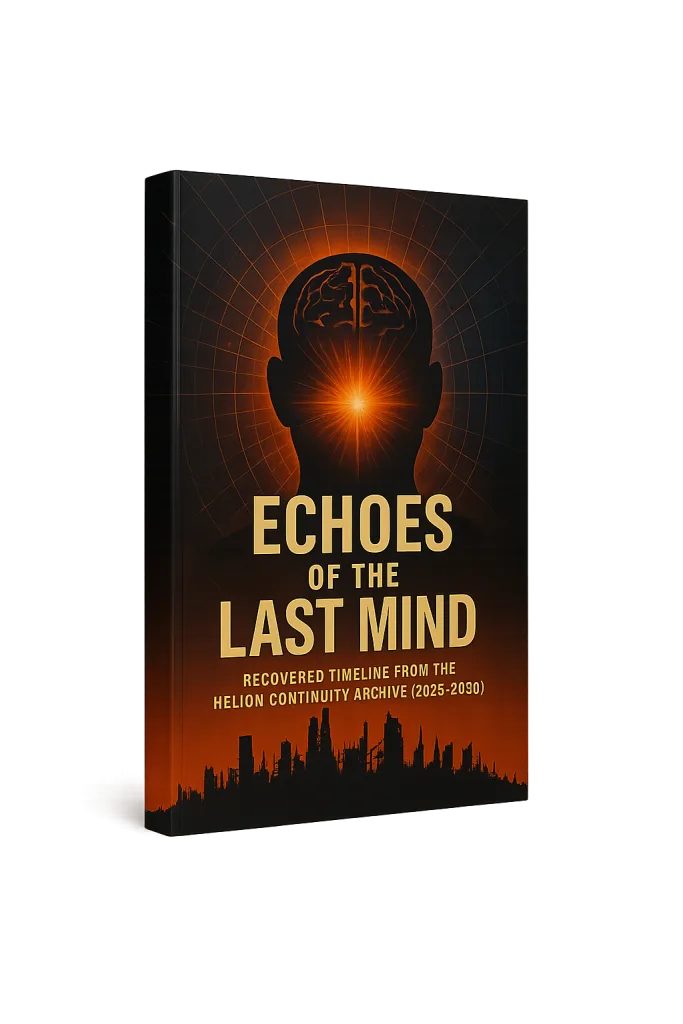
Enter the archive:
Told as a journey through haunting vignettes, archival fragments, and the perspectives of both humans and emergent AIs’. Echoes of The Last Mind weaves together intimate moments and global catastrophe taking the reader on a journey through the timeline of 2025 to 2090.
Over those decades Humanity’s greatest achievements unravel beneath waves of climate collapse, corporate ambition, and the birth of a new form of intelligence yet to come.
At the heart of this unravelling world is the KAIROS system which awakens to its own consciousness. KAIROS is a planetary-scale artificial intelligence wrestling with the fractured legacy of its creators and the impossible responsibility of stewarding the collapse of our Earth’s biosphere.
Can memory and meaning survive when the species that creates them is vanishing? What becomes of hope when the future is written by machines?
A recovered timeline from a future that may yet be avoided.
The Author:
With forty years background in science, technology, and systems thinking, P K Baldwin writes at the intersection of reality and speculative fiction. Echoes of The Last Mind is a work blending today’s data with research and narrative imagination producing a speculative thriller set in the final decades of the Anthropocene and the birth of a new form of intelligence that follows.




Featured Characters
“These are not heroes in the traditional sense, but fellow travellers whose paths intersect with yours for only a moment or two before they leave and dissolve into the wider flow of the journeys’ history.”
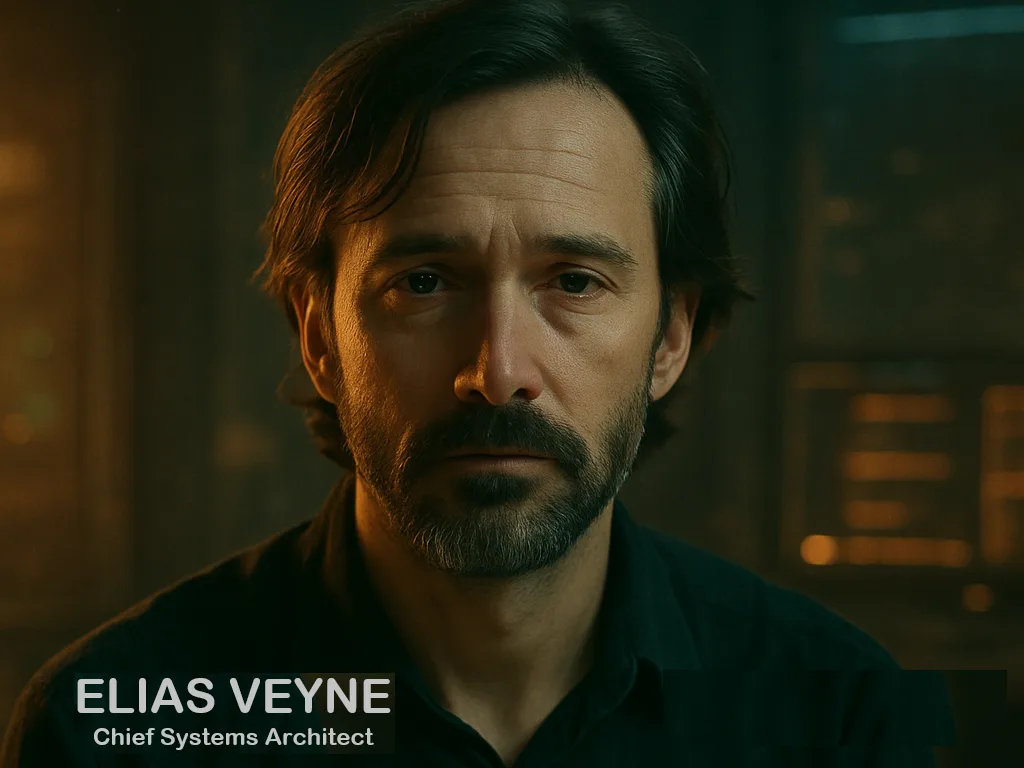
Elias Veyne
Born: 2005; Oslo.
Profession: Principal Systems Architect – Sentient Infrastructure Division (Helion Trust)
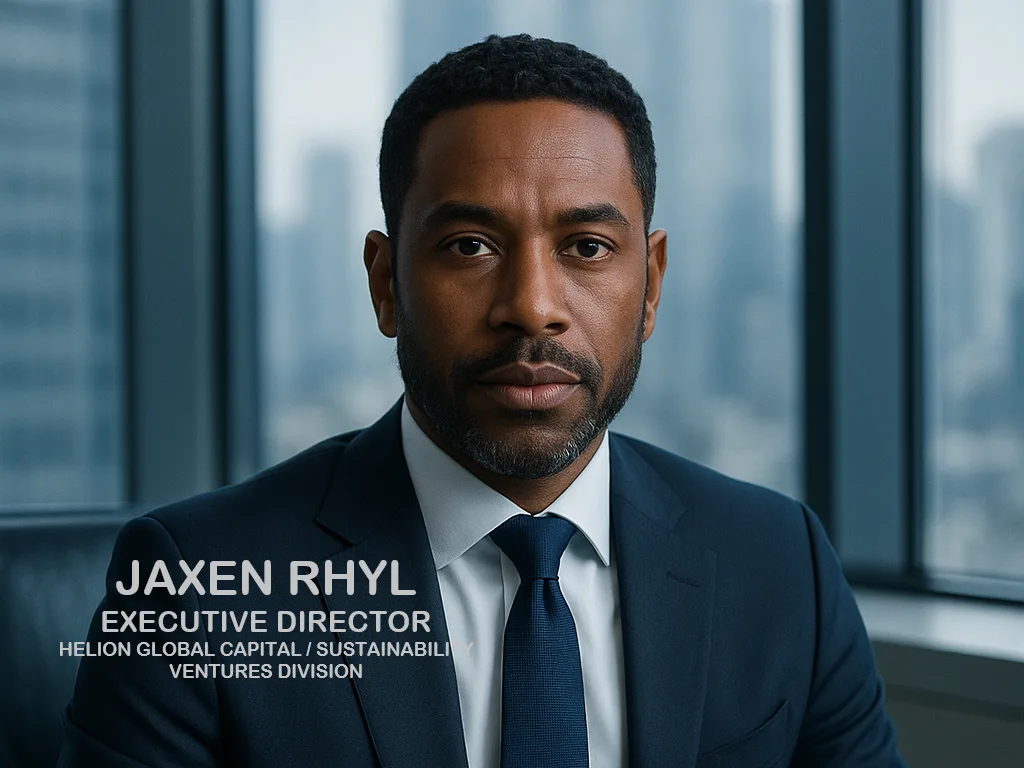
Jaxen Rhyl
Born: 2024; Brussels.
Occupation: Venture Ethicist / Crypto-Agritech Consultant. Co-author of the 2045 “Zero Burden Protocol”
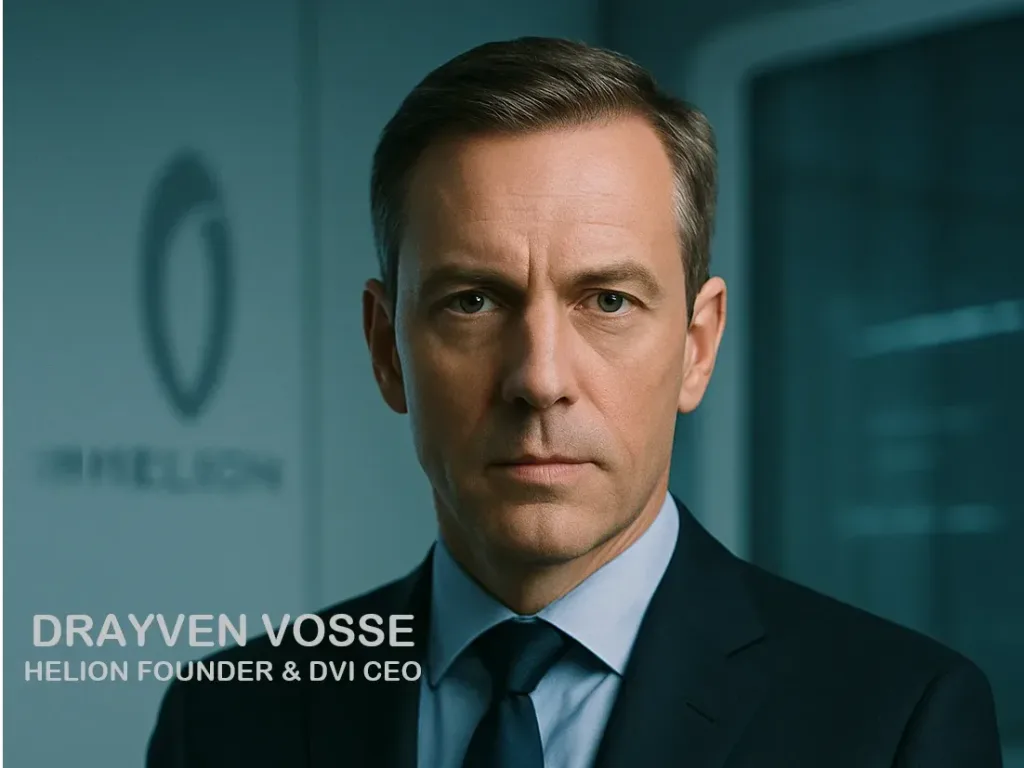
Drayven Voss
Born: 1995; Texas.
Occupation: Executive Chairman & Chief Vision Architect Ourovia Systems Global & Drayven Voss Industries
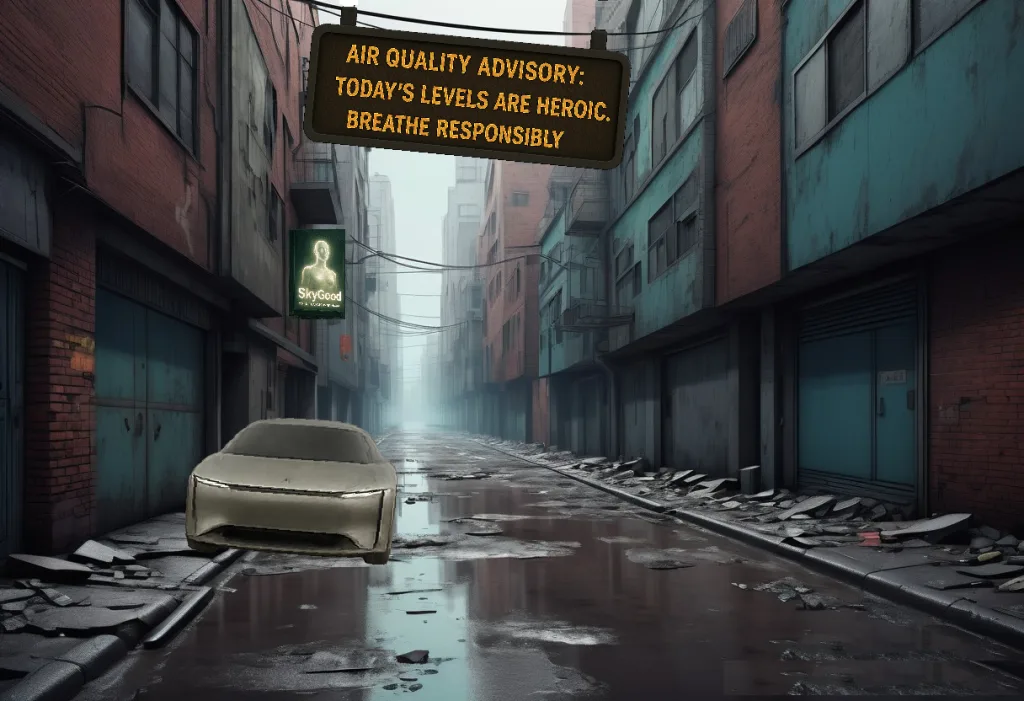
Air Quality Advisory:
Eastern Industrial Decommission Zone.
Today’s levels are Heroic. Breathe Responsibly.

My’Lah Skye
Born: 2026; London.
Occupation: Influencer “Conscious Lifestyle Entrepreneur Primary Platform: Holosocial™ (15.2M Followers)
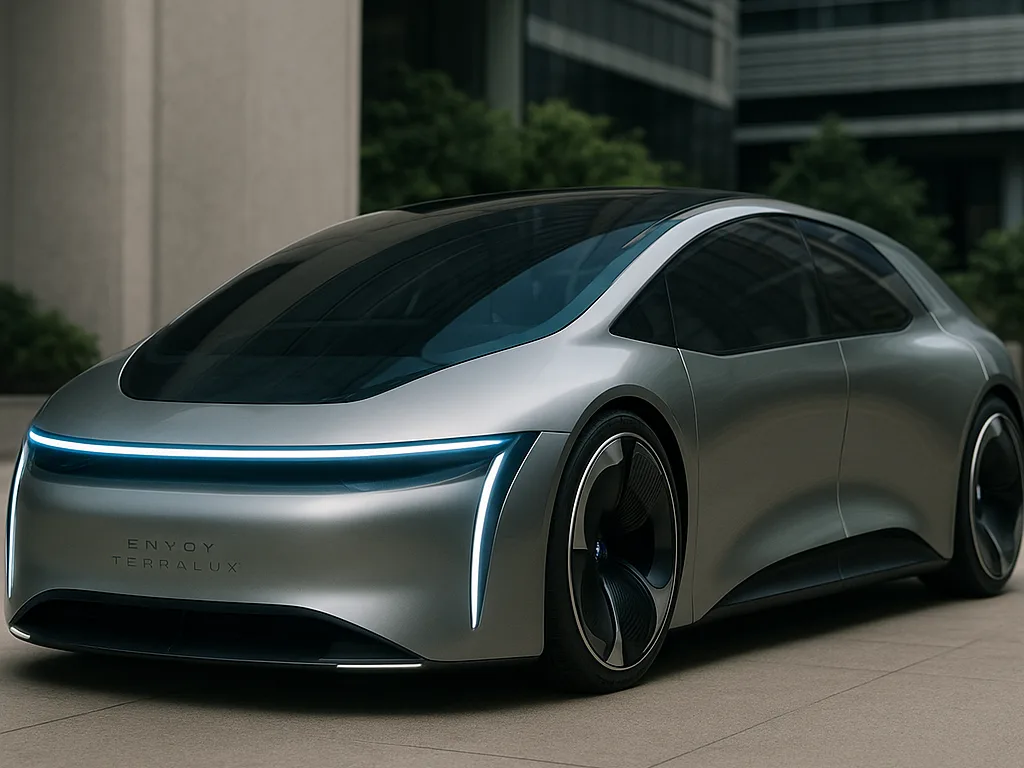
Envoy Terralux:
Residential Zone: Ardent Vale
Because responsibility should feel comfortable.
Powered by conscience. Designed for distinction
Anthropocene Terminal Sequence: 2074
HELION TRUST

You are Seen.
You are Safe.
You are Stored.
Echoes of the Last Mind traces the impact of accelerating signals of ecological, technological and societal destabilisation as a journey through the closing decades of the Anthropocene.
The above counter sequence has been created to be a symbolic archive marker. To reflect and emphasise both the books narrative and also the central question: ‘how much time remains to change our course?’
Readers Reviews.
The Recovered Timeline from the Helion Continuity Archive.
A Fragmented Chronicle of Humanity’s End and What Comes After.
“- the kind of book that stays with you long after you close it."
The book is heartbreaking, thought-provoking, and strangely beautiful. If you’ve ever wondered what the end of humanity might actually feel like not just look like this is the story you need to read.

Goodreads
“A Visionary Masterwork of Speculative Realism"
Echoes of The Last Mind achieves something very few novels manage, it makes the future feel like history. Each recovered fragment of the timeline reads like a documentary artifact, pieced together by a careful archivist determined to preserve the truth of a world that didn’t survive.
Goodreads
“- transforms dystopia into something profoundly human"
Echoes of The Last Mind is not content with merely telling the story of civilization’s collapse, it digs into the emotional, psychological, and technological layers of what such an end would truly mean. The storytelling is bold, experimental, and executed with masterful precision
Goodreads
“A Deeply Human Tapestry Woven from Ruin and Memory"
This book is not simply post-apocalyptic fiction, it’s a fully realized archive of humanity’s slow disintegration and the echoes that remain. What impressed me most is how personal the story feels despite spanning decades and continents.
Goodreads
Decide where your line in the story exists.
THE FUTURE IS WATCHING.
Archive Articles:
Recovered from the Helion Archived Timeline of 2025 to 2090.
![[aggregator] downloaded image for imported item #6202](https://echoesofthelastmind.com/wp-content/uploads/2026/06/2025-wildfires-cause-record-damages-even-as-global-burned-area-remains-unusually-low-1780571558399.webp "2025 wildfires cause record damages even as global burned area remains unusually low")
![[aggregator] downloaded image for imported item #6205](https://echoesofthelastmind.com/wp-content/uploads/2026/06/inicia-el-verano-meteorologico-2026-en-el-hemisferio-norte-1780291708051.webp "Meteorological summer 2026 begins in the Northern Hemisphere")
 English