
ORIGIN: https://www.yourweather.co.uk/news/
In meteorology, June, July, and August are grouped together as the warmest months of the year. This allows meteorologists and climatologists to keep statistical records that are much more accurate and easier to compare from year to year.
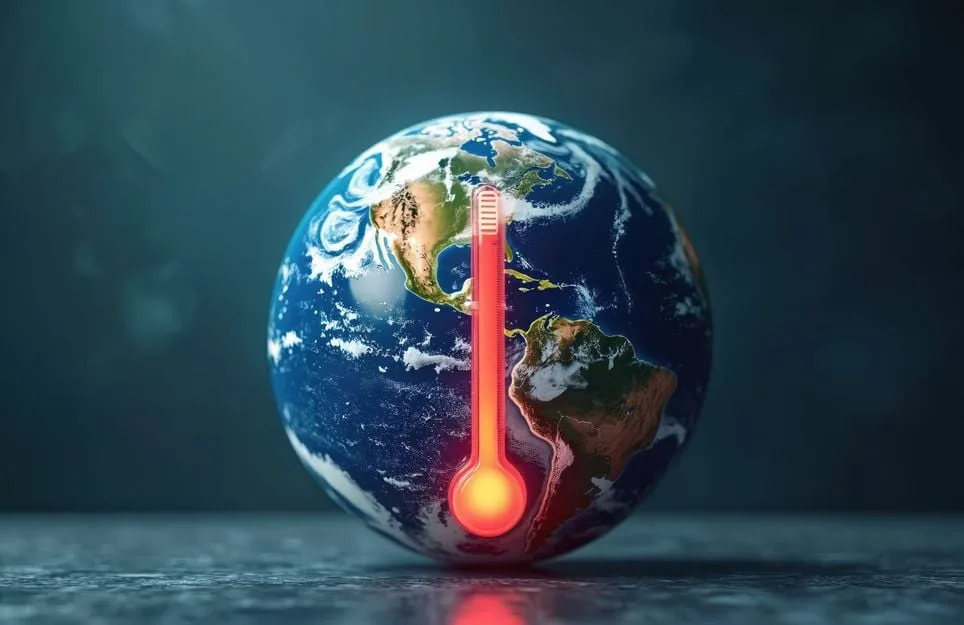 Summer is characterized by high temperatures, long days, and unique atmospheric phenomena, such as storms.
Meteorological summer is a division of the year created by scientists that differs from conventional astronomical summer. Unlike astronomical summer, which begins with the solstice and changes date each year, the meteorological version is based strictly on the annual cycle of atmospheric temperature. This convention allows the start and end of the season to coincide with the hottest months.
This season covers an exact three-month period in the Northern Hemisphere: June, July, and August. Its total duration is always 92 consecutive days, fixed from June 1 to August 31.
By grouping the days this way, scientists achieve perfect alignment with the quarter that historically records the planet’s highest temperatures.
The Goal of Atmospheric Sciences
Assigning fixed dates to the seasons greatly helps the monitoring carried out by meteorologists
 English