
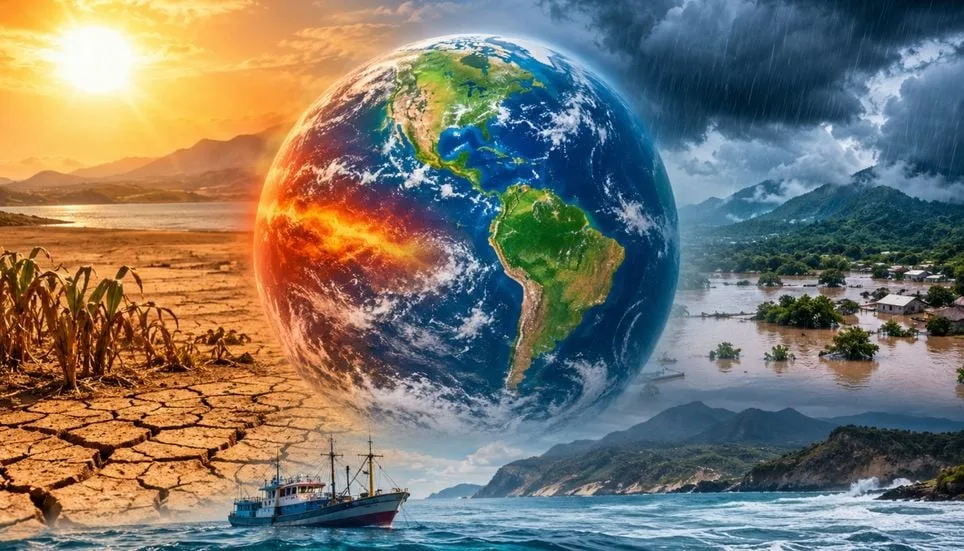
 El Niño is gaining strength in the Pacific and beginning to affect different regions. Its exceptional intensity, combined with global warming, could alter familiar climate patterns.
The current El Niño event is on track to reach extraordinary intensity.The waters off the coast of Peru are home to one of the most productive fisheries on the planet. Millions of tons of anchoveta are harvested there each year, primarily for use in fertilizers and animal feed. However, this year the situation changed abruptly.
In late August, the Peruvian government decided to end the anchoveta fishing season early. The reason is linked to the strengthening of El Niño in the tropical Pacific Ocean: rising sea temperatures changed the distribution of available food and forced adult fish to move into deeper, colder waters. The result was a much smaller catch than expected.
Peru’s experience is just one example of what could happen in the coming months. The current El Niño event is on track to reach extraordinary intensity, and scientists warn that its effects could extend into 2027.
An unusual El Niño
El Niño develops when sea surface temperatures in the tropical Pacific are well above normal. This warming alters the atmosphere above the ocean and triggers changes in winds, rainfall and temperature patterns around the world.
But not all El Niño events are the same. Some concentrate the warmest waters in the central Pacific, while others do so farther east. The intensity of the event also influences the magnitude of its impacts.
“El Niño comes in different flavors, like ice
Original Record.
This archived record authored by ‘Dainet Sierra’ at ‘METEORED (Your Weather)’ was recovered from data set:
 English