Category: Climate Signals
Climate Signals (77) Δ27 Variable 2 – Global mean surface temperature anomaly (2) Δ27 Variable 5 – Marine heatwaves (14) Δ27 Variable 6-Marine biomass & deoxygenation (3) Δ27 Variable 7 – Greenland Ice Sheet stability (3) Δ27 Variable 8_West Antarctic Ice Sheet stability (4) Δ27 Variable 9-Arctic sea ice extent/thickness (6) Δ27 Variable 10 – Permafrost thaw & carbon emissions (1) Δ27 Variable 12 – Boreal biome shift (net) (1) Δ27 Variable 13 – Freshwater stress & groundwater depletion (1) Δ27 Variable 14-AMOC strength (2) Δ27 Variable 15-Monsoon systems stability (2) Δ27 Variable 16-Wildfire burned area / fire weather index (1) Δ27 Variable 17 – Global staple crop yields & stocks-to-use (3) Δ27 Variable 20 – Energy system reliability & EROEI / grid stability (1) Δ27 Variable 23 – Extreme-heat exposure (wet-bulb population-days) (1) Δ27 Variable 25 – Mass displacement (forced migration volume) (1) Δ27 Variable 27 – Epistemic resilience (mis/disinformation & media capture) (2) ⚙️ Energy, Infrastructure & Material Flow (1) 🌊 Oceanic Equilibrium & Acidification (17) 🌍 Atmospheric Forcing & Planetary Energy Balance (2) 🌪 Atmospheric Circulation & Regional Climate Stability (5) 🌱 Carbon & Hydrological Feedback Loops (2) 🌾 Food, Water & Resource Security (4) 🧊 Cryosphere Integrity & Sea-Level Commitment (8) 🧠 Knowledge Integrity & Governance Resilience (2) 🧬 Human Stability & Adaptive Capacity (2)
-
Arctic sea ice has reached minimum extent for 2026; Antarctic sea ice maximum most likely reached as well
Arctic sea ice minimum ties for tenth lowest On September 12, Arctic sea ice likely reached its annual minimum extent of 4.60 million square kilometers (1.78…
-
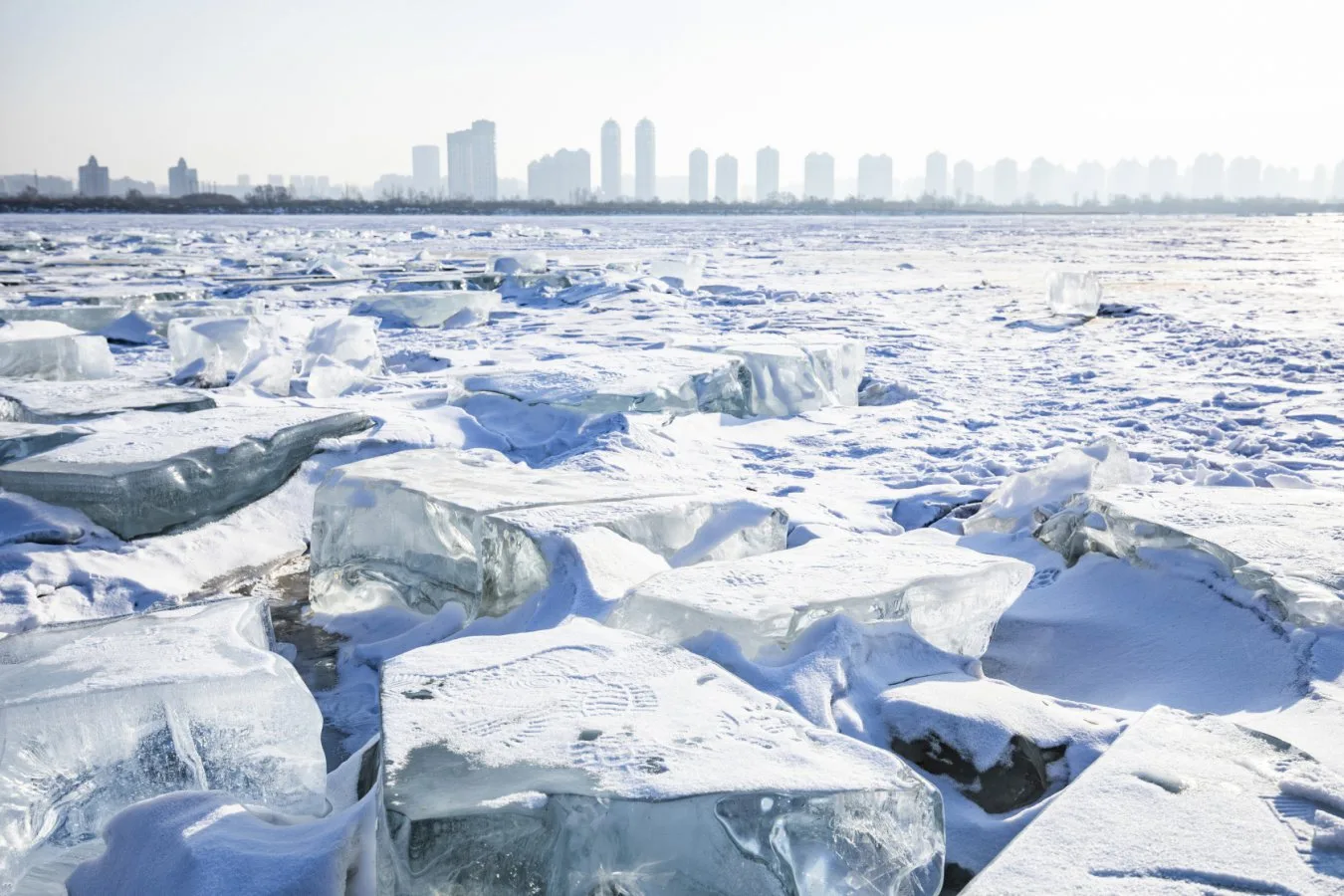
The collapse of the AMOC would be catastrophic. How will we know when it’s coming?
Europe faces incredibly harsh winters and unrelenting droughts if the vital AMOC ocean current fails – but when disaster will strike and how bad…
-
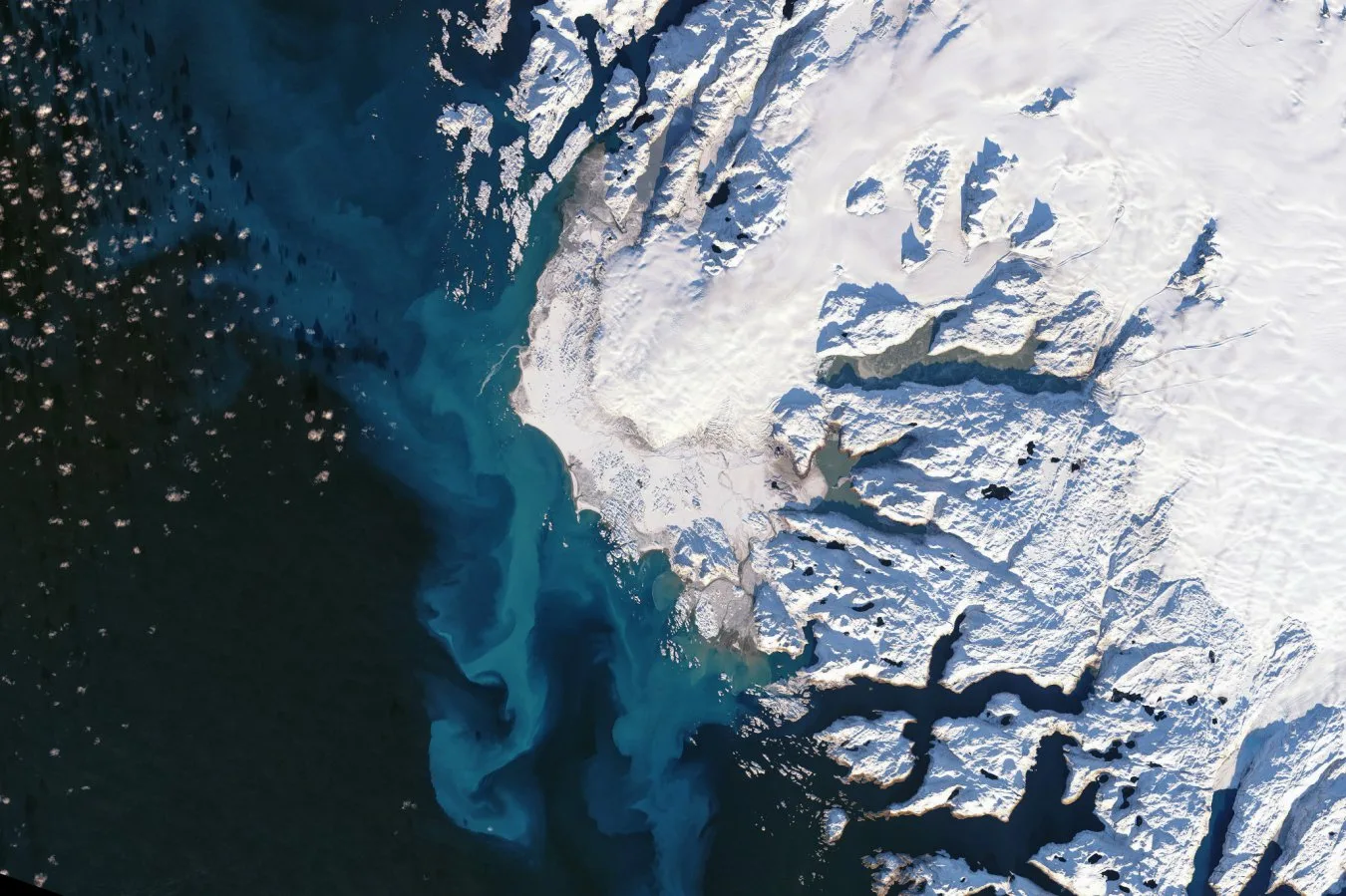
Satellite data gives clearer picture of how ice sheets are losing mass
The longest satellite record ever compiled shows the vast majority of ice loss from Greenland and Antarctica is due to glaciers flowing faster, rather…
-
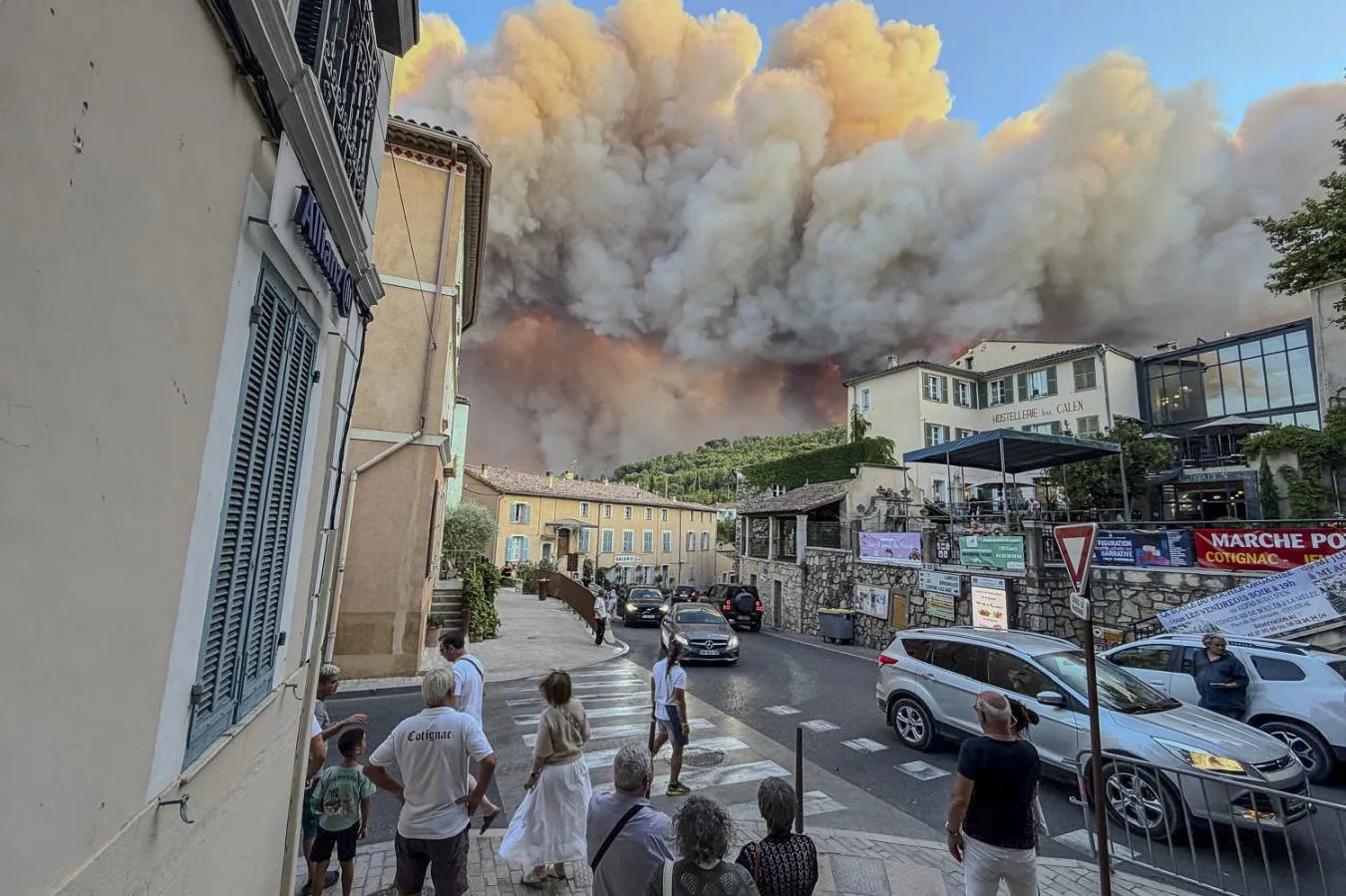
Rapid climate change brings wildfire threat to new corners of Europe
Scorching conditions this year have triggered wildfires in European countries that are normally considered to be damp and cool
-
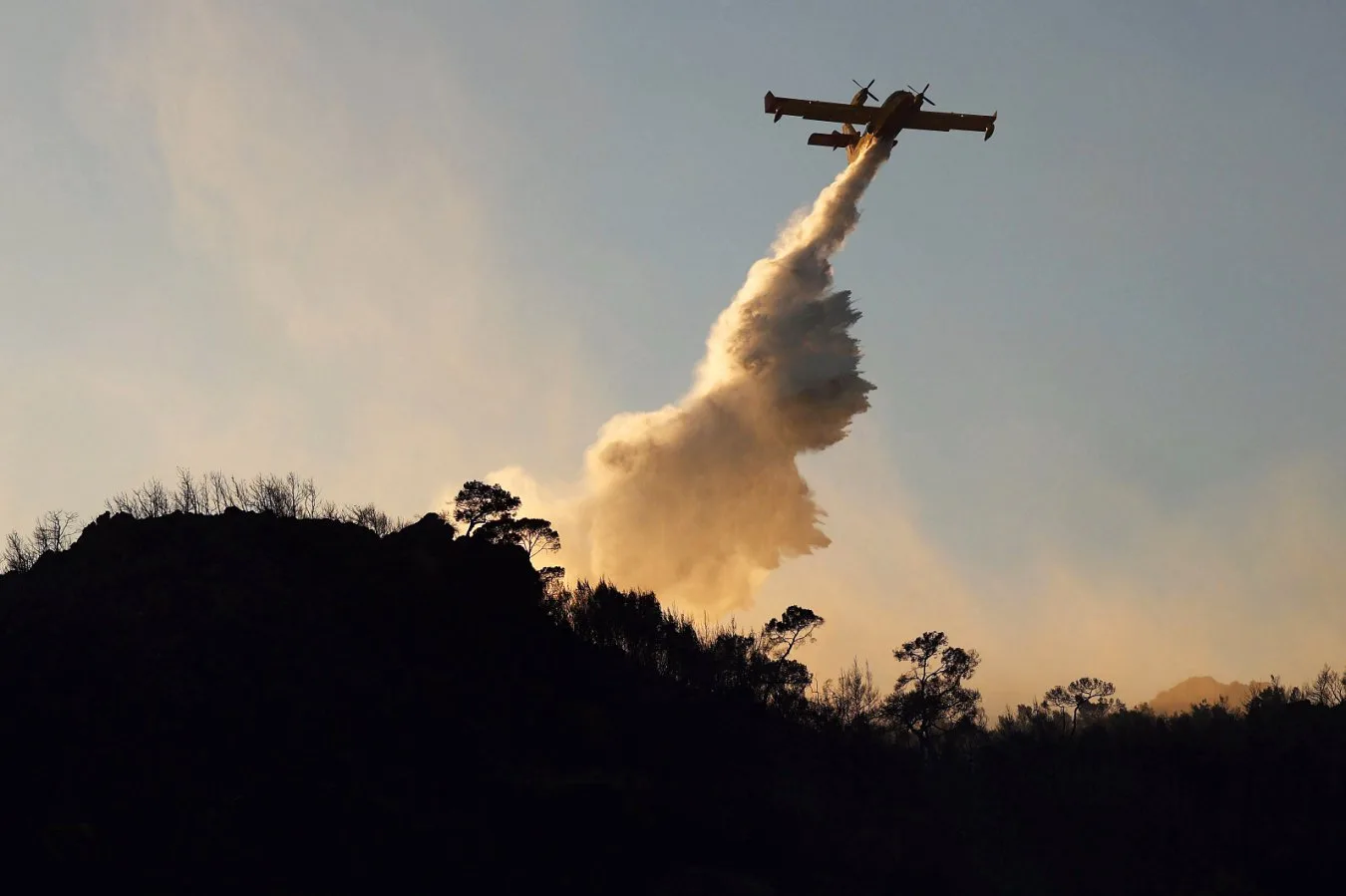
Why the extremes of climate breakdown will continue to take us by surprise
The relentless heatwaves that have hit the northern hemisphere this summer have made the climate threat real for many – but preparation and adaptation…
-
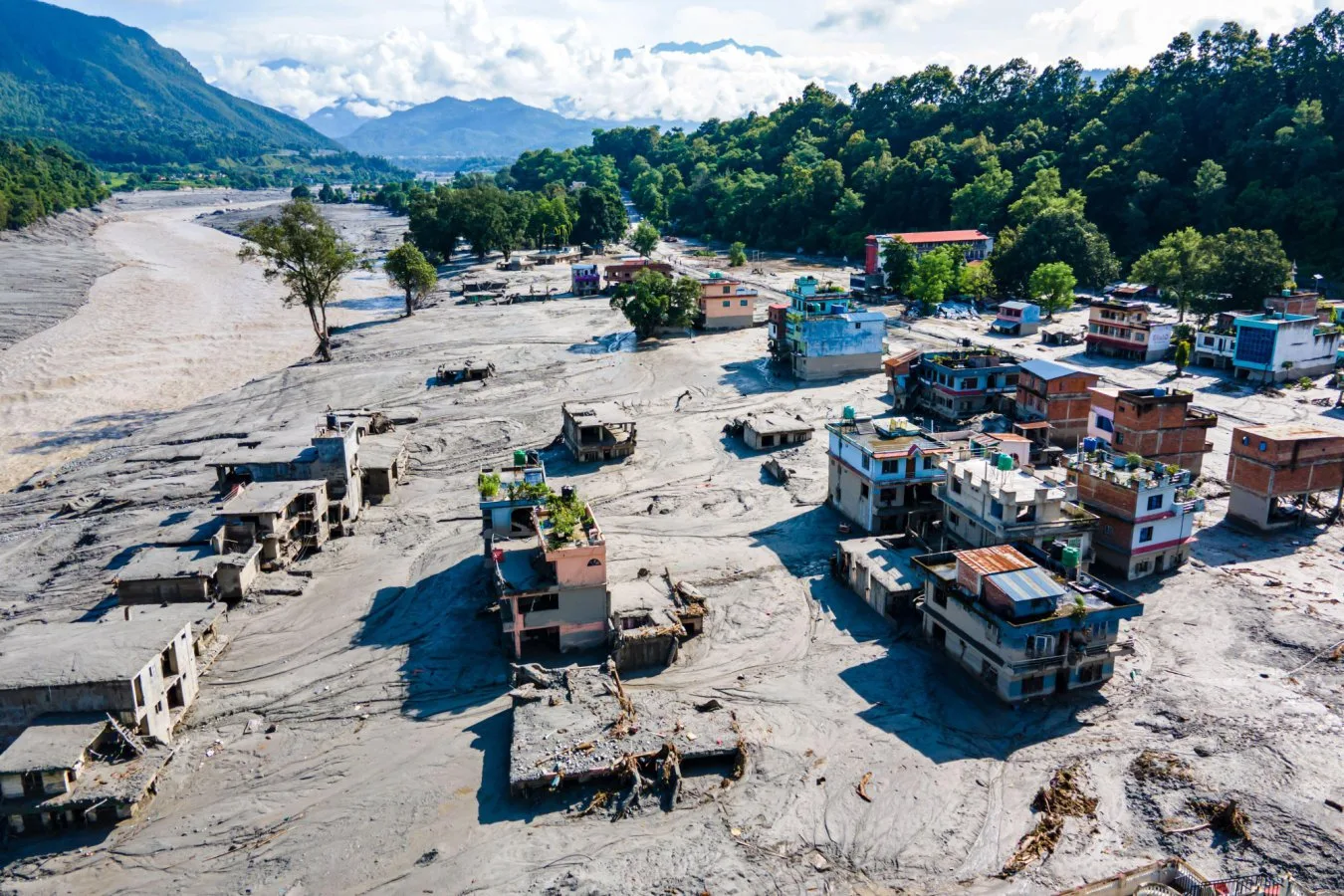
Mountain warming means there will be more disasters like the Nepal flood
Mountainous regions across the planet are warming especially fast, melting the ice that glues rocky slopes and glaciers together
-
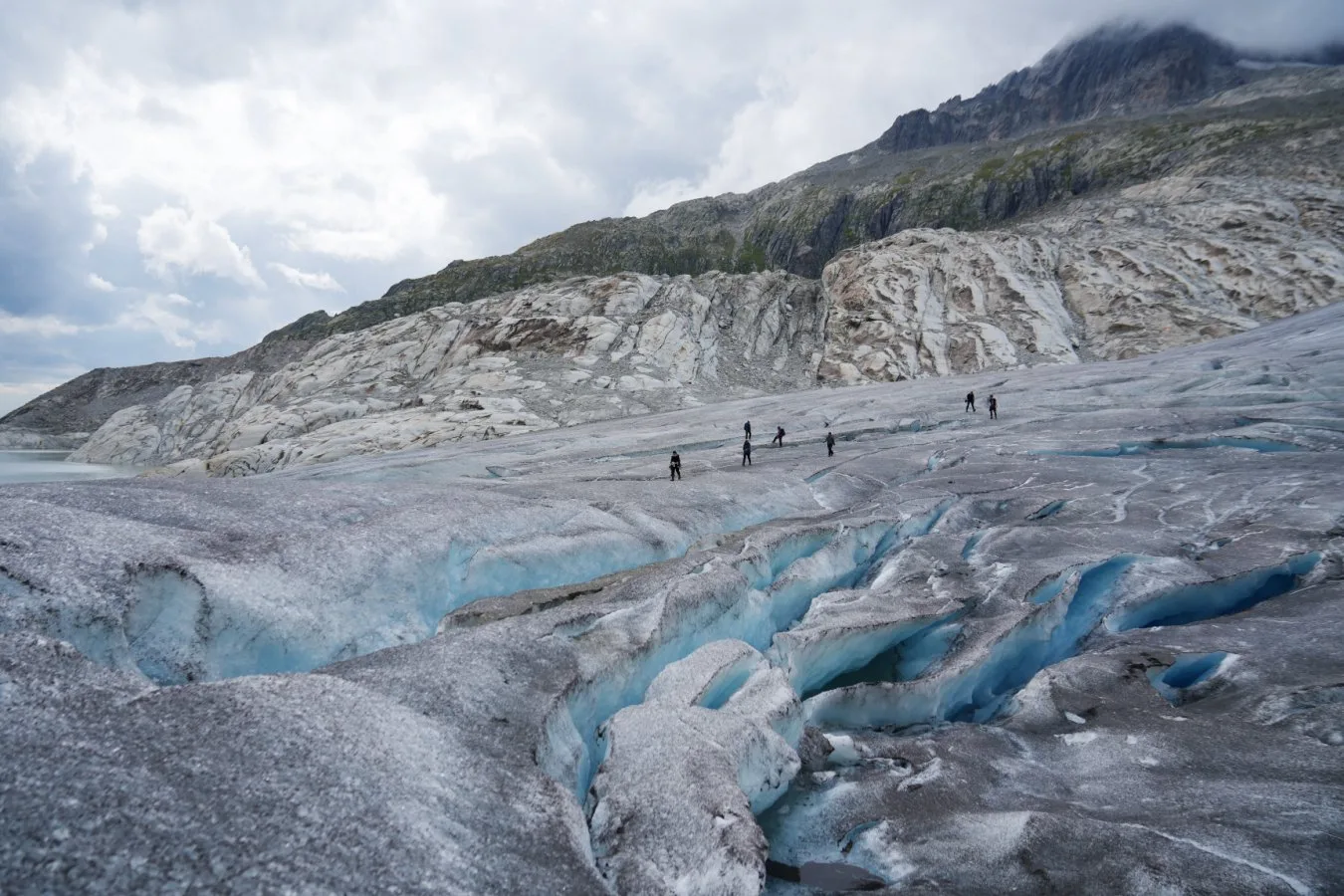
Glaciers in the Alps are on track for record-breaking ice loss
Glacier loss could break the 2022 record after a series of heatwaves this summer, raising the risk of falling river levels and deadly ice…
-
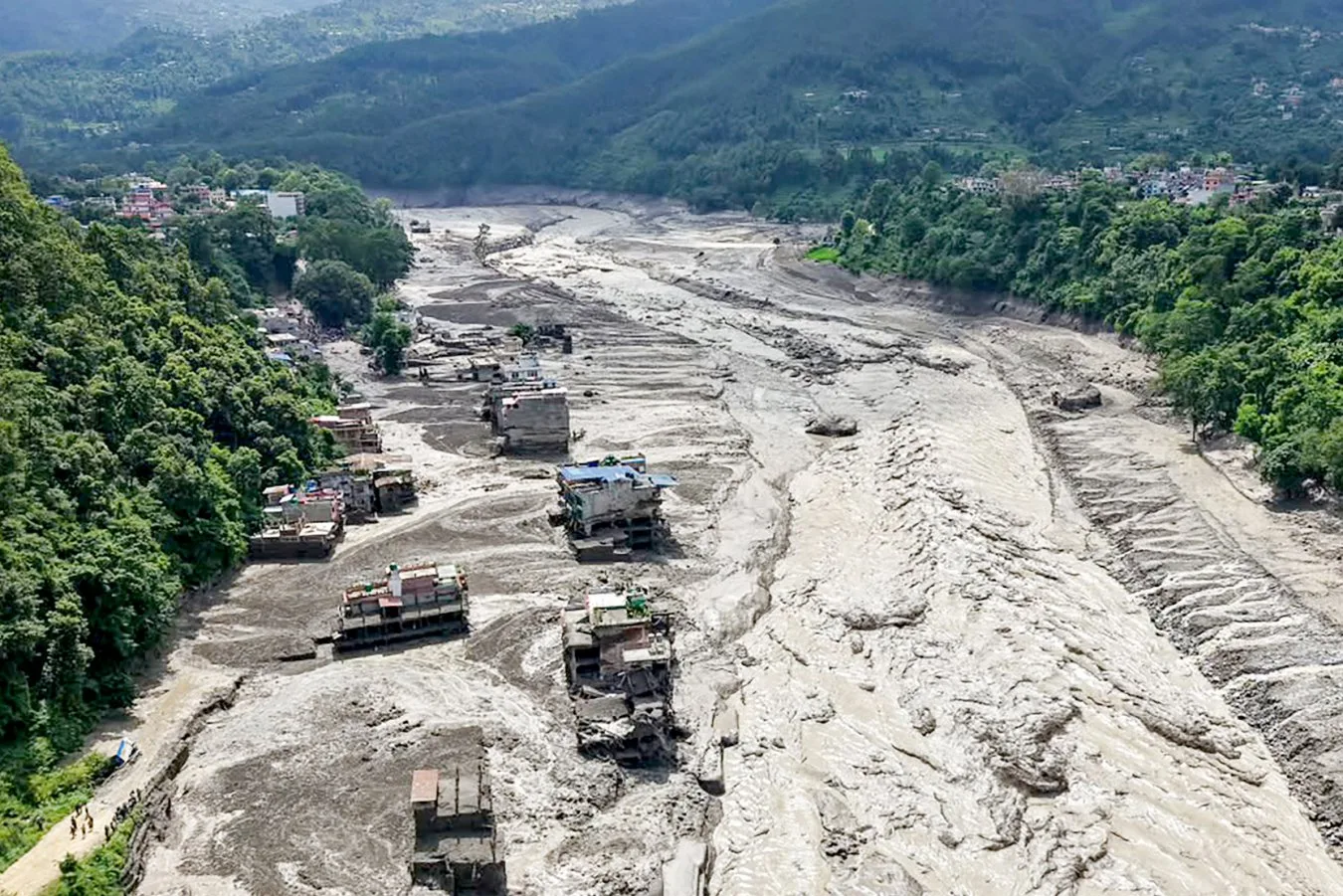
A glacier collapse is most likely cause of the Nepal disaster
Melting snow appears to have weakened a steep glacier at an altitude of 5 kilometres, causing it to plummet around a kilometre into the…
-
Fifty years of change in the cryosphere
Arctic sea ice minimum ties for tenth lowest On September 12, Arctic sea ice likely reached its annual minimum extent of 4.60 million square kilometers (1.78…
-
Cloud-Optimized HDF5 Boosts Access to ICESat-2 Data
Sea Ice Today services reduced Beginning October 15, 2025, NSIDC’s Sea Ice Today services will be reduced because of non-renewed funding. This means no new monthly…
 English