Category: 🌪 Atmospheric Circulation & Regional Climate Stability
Climate Signals (58) Δ27 Variable 2 – Global mean surface temperature anomaly (2) Δ27 Variable 3 – Atmospheric CO₂e concentration (CO₂ + CH₄ + N₂O) (6) Δ27 Variable 5 – Marine heatwaves (14) Δ27 Variable 6-Marine biomass & deoxygenation (3) Δ27 Variable 7 – Greenland Ice Sheet stability (3) Δ27 Variable 8_West Antarctic Ice Sheet stability (4) Δ27 Variable 9-Arctic sea ice extent/thickness (6) Δ27 Variable 10 – Permafrost thaw & carbon emissions (1) Δ27 Variable 12 – Boreal biome shift (net) (1) Δ27 Variable 13 – Freshwater stress & groundwater depletion (2) Δ27 Variable 14-AMOC strength (3) Δ27 Variable 15-Monsoon systems stability (3) Δ27 Variable 16-Wildfire burned area / fire weather index (2) Δ27 Variable 17 – Global staple crop yields & stocks-to-use (3) Δ27 Variable 20 – Energy system reliability & EROEI / grid stability (2) Δ27 Variable 22 Insurance retreat & financial climate risk (1) Δ27 Variable 23 – Extreme-heat exposure (wet-bulb population-days) (3) Δ27 Variable 24 – Public-health capacity incl. AMR & pandemic emergence (1) Δ27 Variable 25 – Mass displacement (forced migration volume) (1) Δ27 Variable 27 – Epistemic resilience (mis/disinformation & media capture) (4) ⚙️ Energy, Infrastructure & Material Flow (3) 🌊 Oceanic Equilibrium & Acidification (17) 🌍 Atmospheric Forcing & Planetary Energy Balance (8) 🌪 Atmospheric Circulation & Regional Climate Stability (8) 🌱 Carbon & Hydrological Feedback Loops (3) 🌾 Food, Water & Resource Security (4) 🧊 Cryosphere Integrity & Sea-Level Commitment (8) 🧠 Knowledge Integrity & Governance Resilience (4) 🧬 Human Stability & Adaptive Capacity (5)
-
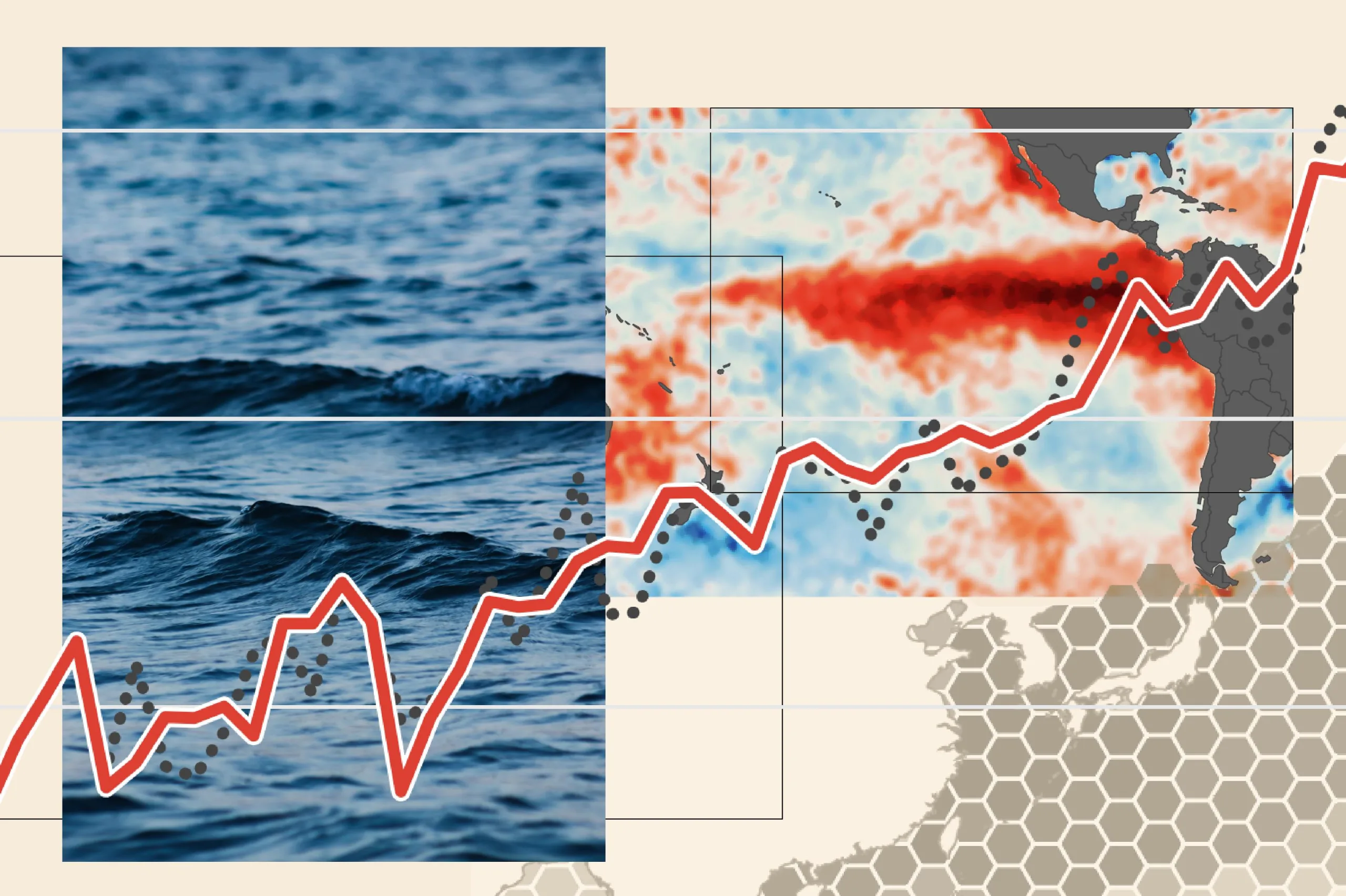
Explainer: How the ‘super El Niño’ will reshape the world’s weather
The world is currently experiencing what is expected to become the strongest El Niño on record – dubbed a “super El Niño” by many. El Niño…
-
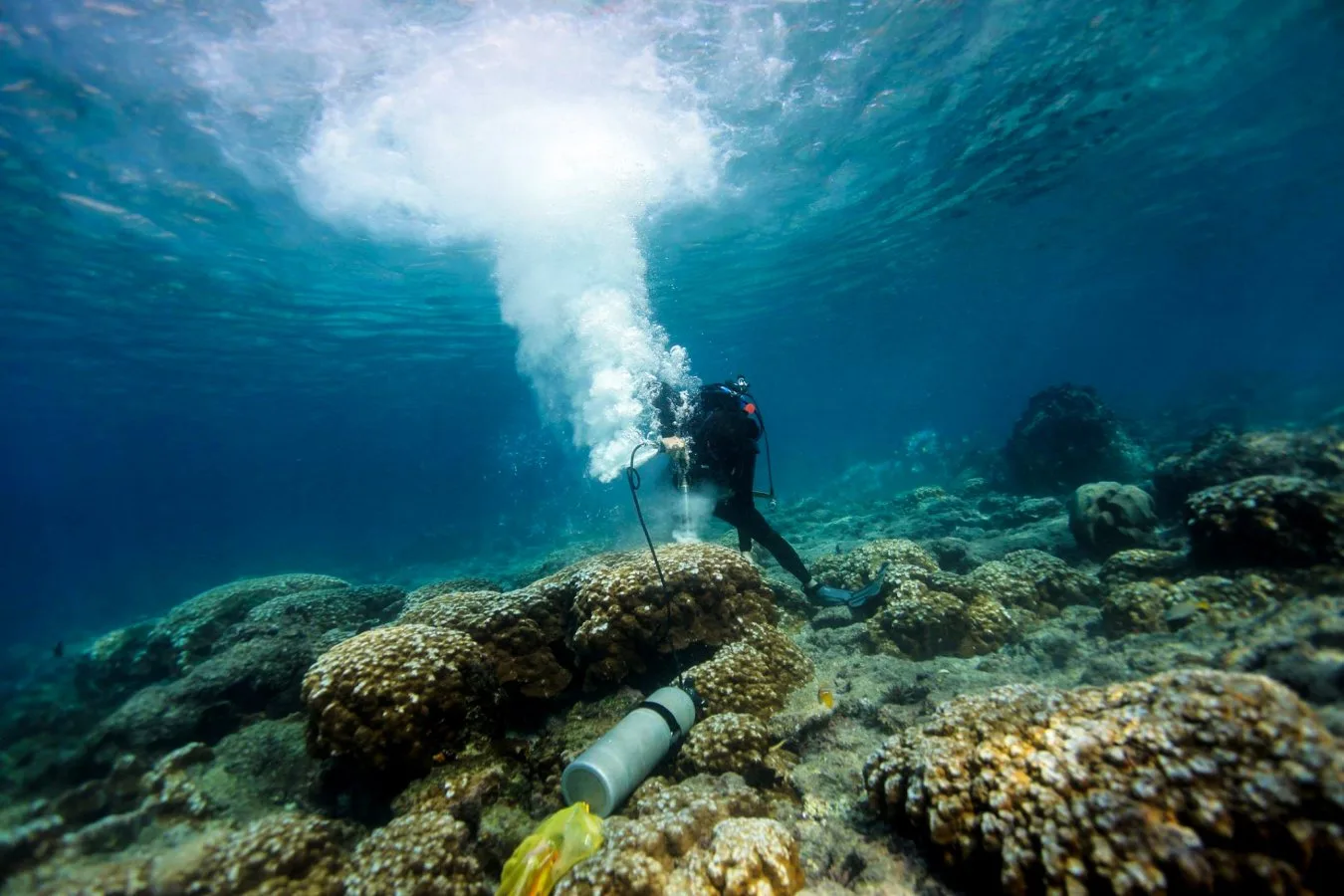
Galapagos corals suggest climate change drives stronger El Niños
Coral records from the Galapagos Islands indicate El Niños have been gathering strength over the past 40 years, in line with rising global temperatures
-
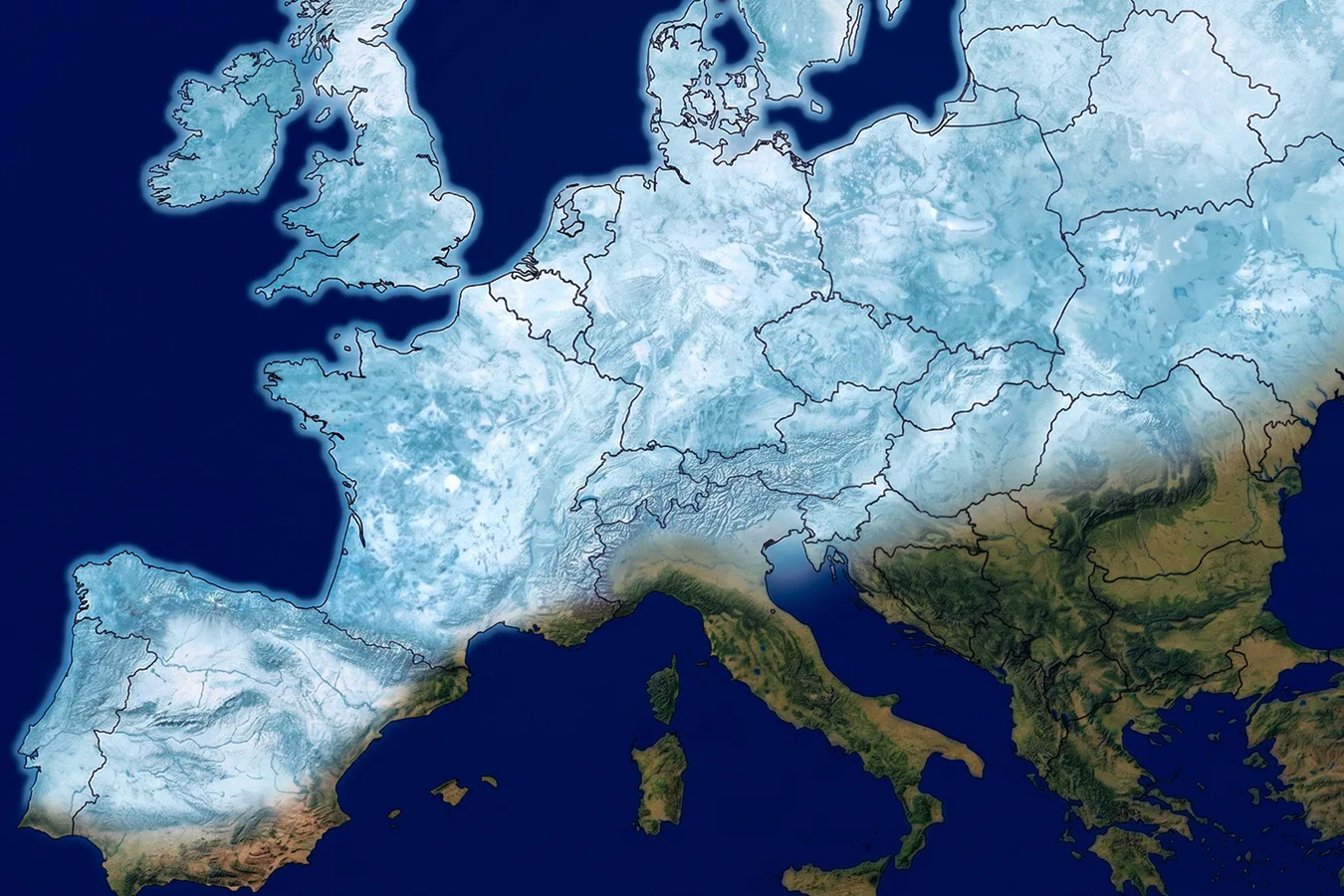
Why Europe could get colder as Earth gets hotter
A mysterious “cold blob” in the Atlantic suggests the AMOC is weakening, with potentially devastating consequences
-
Fate of the AMOC may depend on how quickly CO2 rises
The critical current could remain stable beyond 5°C of warming, but only if the warming happens very slowly
-
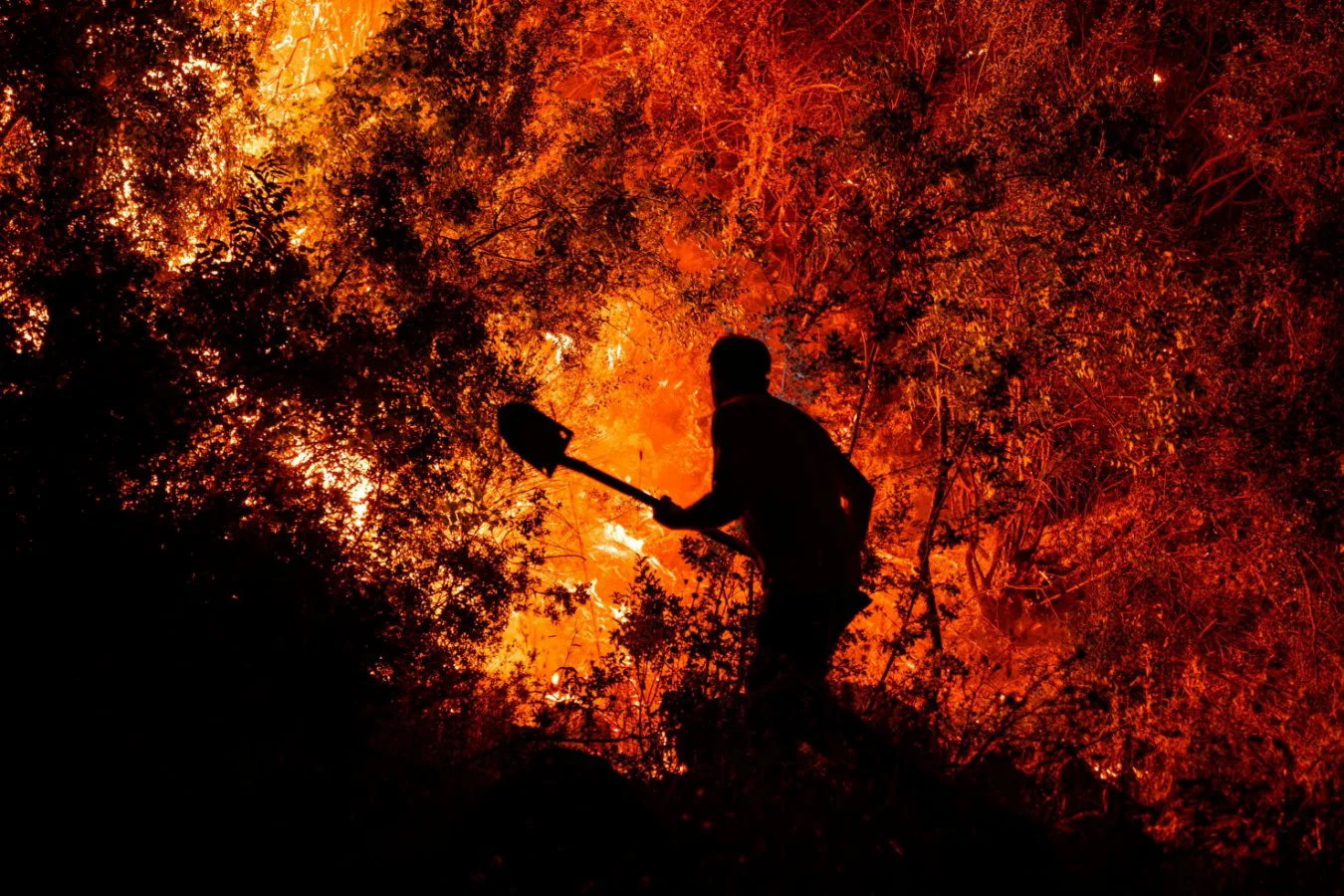
We must adapt to climate change while also tackling the root cause
The devastating wildfires in Europe demand urgent measures to make landscapes more resilient, but without action to reduce use of fossil fuels, the danger…
-
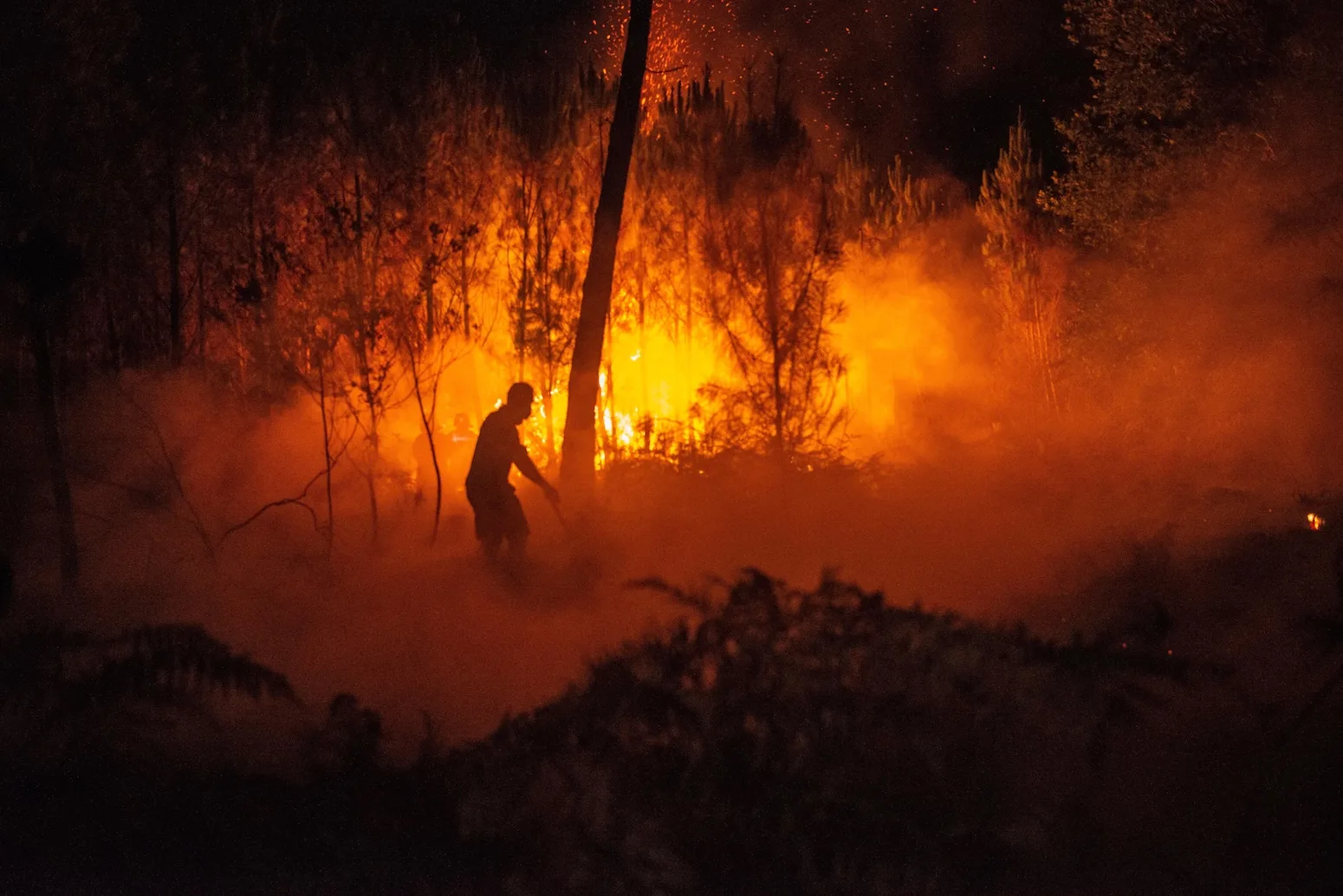
Factcheck: No, Europe is not having its ‘quietest’ year for wildfires
Print article Share In recent days, prominent climate sceptics and rightwing commentators have shared charts on social media incorrectly implying that Europe is having…
-

Shifts in the jet stream are behind Europe’s long heatwaves
Two types of jet stream patterns seem to be causing persistent heat domes over Europe, with big questions for the future
-
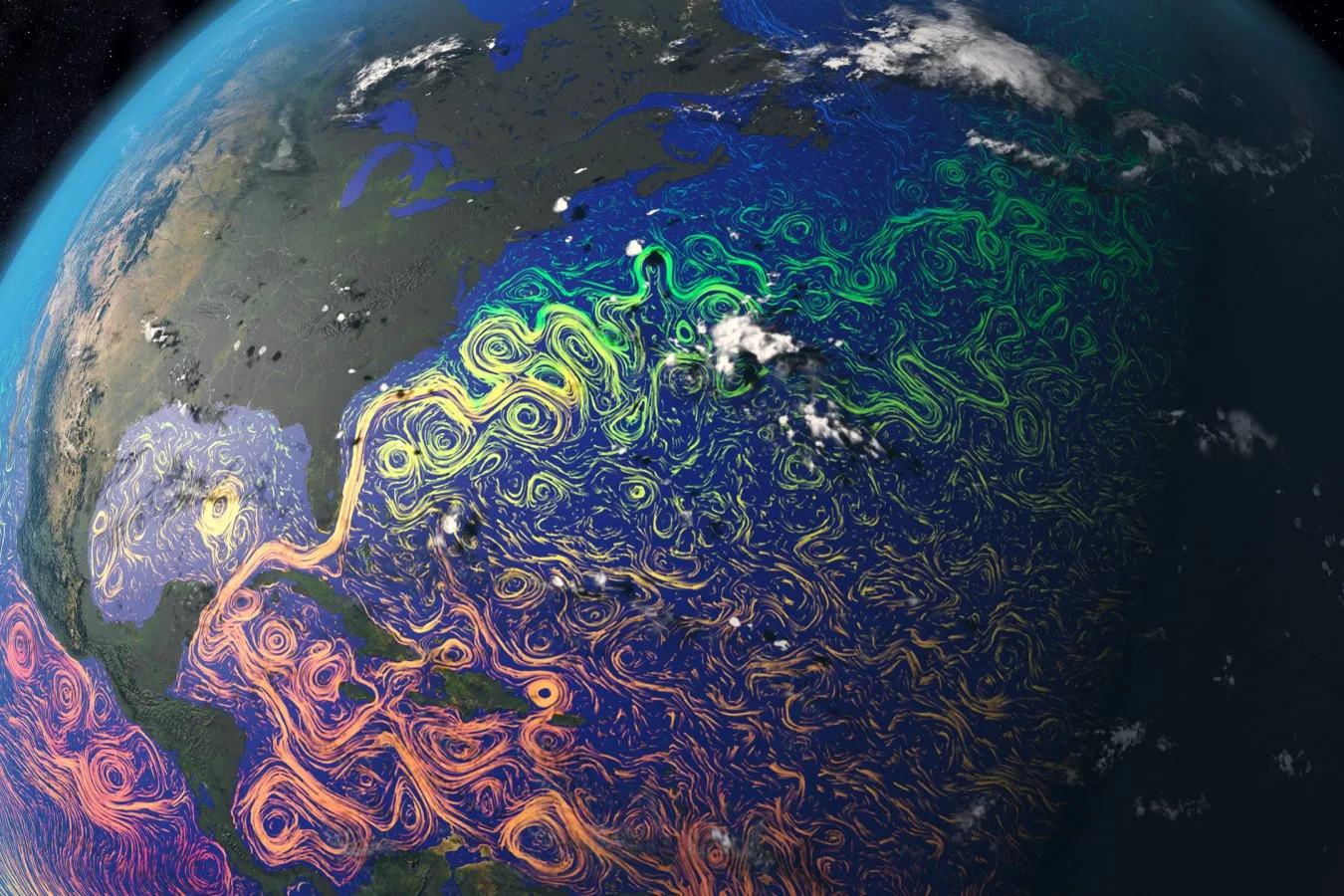
Slowdown of AMOC ocean current may be gradual and reversible
Scientists worry that a surge of meltwater from Greenland could irreversibly collapse the Atlantic Meridional Overturning Circulation, but new modelling suggests the weakening of…
 English