
ORIGIN: https://www.yourweather.co.uk/news/
Climate change is gradually increasing wildfire spread and season length, putting many species at greater risk. A new study suggests impacts may grow, though reducing emissions could help limit future damage.
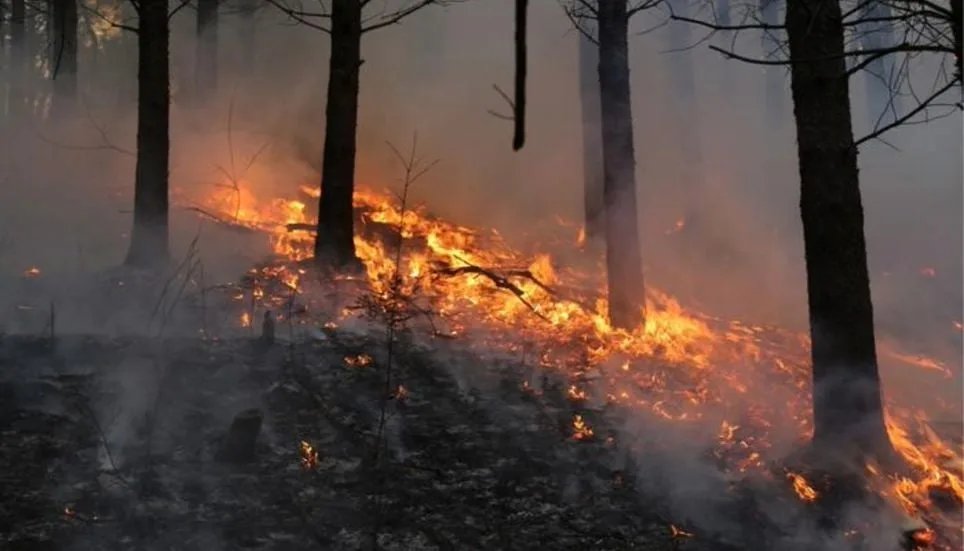 Image of a wildfire. Credit: Tongxin Hu.
In a new study published in the journal Nature Climate Change and led by researchers from the University of Gothenburg identify that wildfires are becoming more frequent and increasing the vulnerability of thousands of animals, plants and fungi.
As global temperatures rise, wildfires are increasing across many regions. This is because higher average temperatures and changing weather conditions dry out vegetation and land, making them more flammable.
Climate-driven wildfires a threat to species?
The new study suggests that wildfires could possibly break out closer to the poles than before, with some areas’ fire seasons doubling in length. This is under a medium scenario, where emissions neither sharply increase nor decrease until the end of the century.
“Our research shows that wildfires pose an ever-increasing threat to biodiversity. We find that nearly 84 per cent of species vulnerable to wildfires will
 English