

ORIGIN: https://www.yourweather.co.uk/news/
Satellites act as ‘eyes in the sky’ for weather scientists, from daily updates to predicting the pathways of dangerous weather systems. But how do they work?
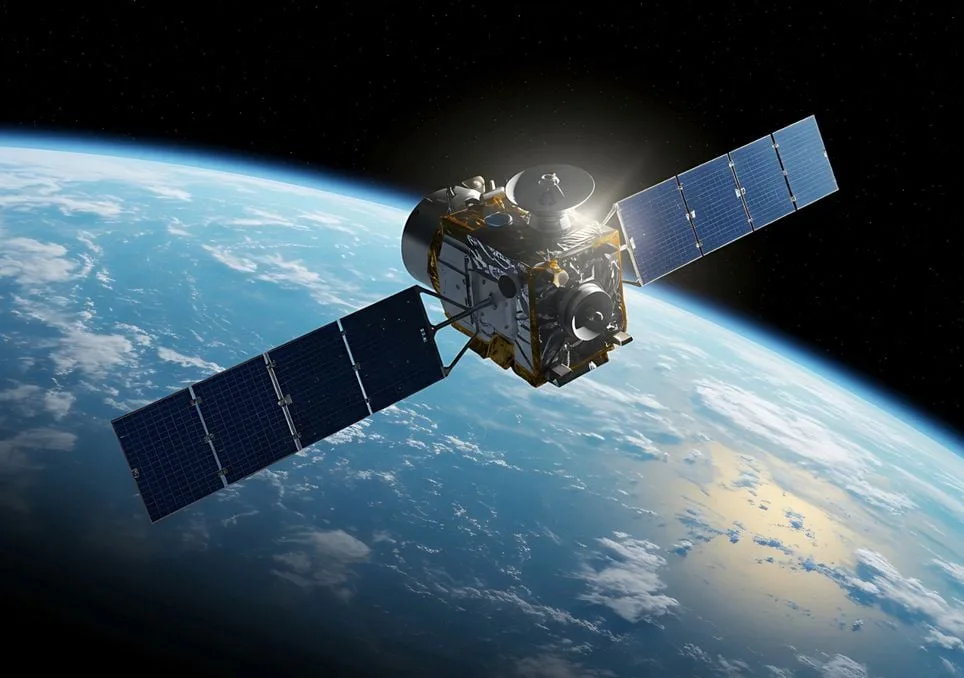 Satellites are one of the most important developments in the history of weather forecasting
Satellites have transformed meteorologists’ ability to monitor the atmosphere on a global scale, and are one of the most important developments in the history of meteorology, according to the Met Office.
Before they existed, weather forecasters relied on reports of conditions on the surface, observations of the upper air and limited data from ships and aircraft, the organisation explained in a new blog.
NASA launched the world’s first weather satellite using television cameras in 1960. This enabled meteorologists to see cloud patterns from space for the first time.
Though it operated for just 78 days, it proved that satellites could observe the atmosphere effectively, paving the way for an entire fleet of more sophisticated missions, the Met Office said.
Satellite missions expanded throughout the 1960s and 1970s. Infrared imaging was also introduced, meaning that forecasters could ‘see’ weather systems
![[aggregator] downloaded image for imported item #4736](https://echoesofthelastmind.com/wp-content/uploads/2026/03/global-climate-unbalanced-and-in-state-of-emergency-wmo-say-1774363460082.webp "Global climate unbalanced and in state of emergency, WMO say")
![[aggregator] downloaded image for imported item #4739](https://echoesofthelastmind.com/wp-content/uploads/2026/03/how-a-single-extreme-weather-event-could-affect-your-retirement-savings-1774359584081.webp "How a single extreme weather event could affect your retirement savings")
 English