
Original Record Source.
View the original record authored by ‘Ameya Paleja’ at ‘METEORED (Your Weather)’ via recovered Helion Archive database link:
European satellite will study plant response to climate change from space
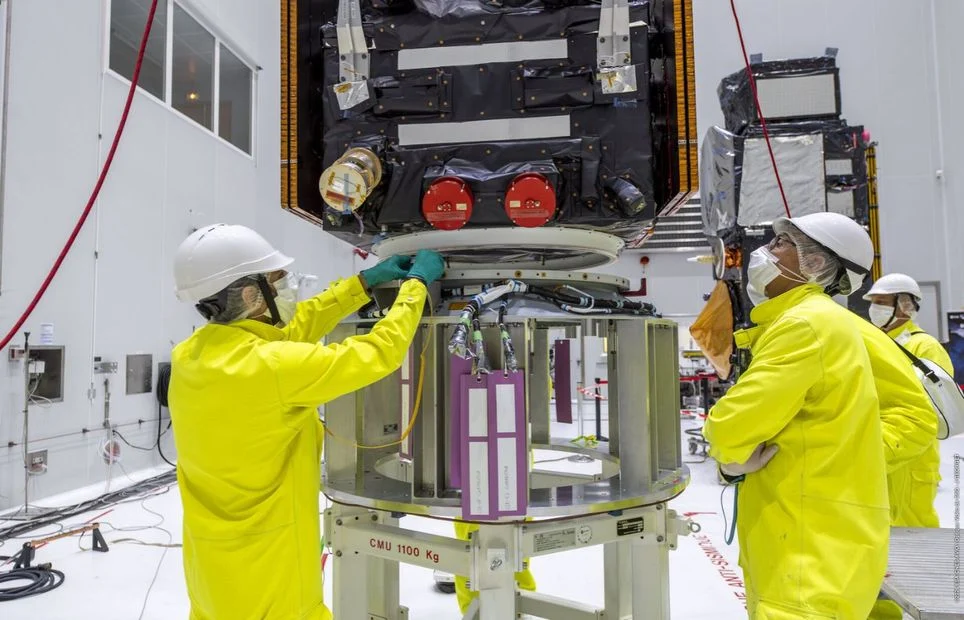
Earlier this month, the European Space Agency (ESA) launched two new satellites into space on the Vega-C rocket from the European spaceport in Kourou, French Guiana. The mission, dubbed V330, includes the FLEX and Sentinel 3C satellites, which will help study plant responses to climate change effects like water shortages and extreme heat from space.
Climate change from spaceHuman-induced climate change has led to some of the hottest summers on record in the past few years and has also had a major impact on agricultural yields and human productivity.
While the effects of climate change are felt on the ground, scientists also prefer to study them from space, since they provide a continuous view of Earth’s interconnected systems that ground-based detectors cannot.
This has been attempted before by using orbiting platforms like the International Space Station (ISS) to study sea levels or ice melt or simply track shifts in temperatures over the years.
In addition to helping scientists keep tabs on changes occurring in remote and inaccessible areas, the approach can also help feed data into climate models to accurately predict the environmental changes that will likely occur in the future.
How will plants be studied?
To study how plants are responding to extreme weather events, the ESA launched the FLourescence EXplorer (FLEX) satellite. The satellite
 English